Author: Matthew F. Stevens

Gen Z and Workforce Dysregulation
The COVID generation is entering your workforce. What looks like an attitude problem is something far more complex — and far more fixable. I spent nearly two decades working with traumatized children and families. I know what it looks like when a nervous system has never had a safe baseline to return to. I’m watching…

Healthcare Staff Retention and the Nervous System
Healthcare staff retention is one of the most expensive unsolved problems in modern medicine. Kim has been a nurse for over twenty years. She has worked through staffing shortages, policy changes, technological overhauls, and a global pandemic. She has shown up for patients during the worst moments of their lives — absorbing grief, fear, anger,…

Nervous System Regulation and Childhood Trauma
Nervous system regulation — or the chronic lack of it — is at the root of more human suffering than most people ever connect to a single cause. Childhood trauma, accumulated stress, and the invisible weight of daily demands all produce the same outcome: a nervous system that never fully comes back down. For most…

What Dysregulation Costs Your Business
Dysregulation employee performance is one of the most expensive problems in modern business — and one of the least likely to appear on any report with that label. It shows up as turnover. It shows up as absenteeism. It shows up as escalating customer complaints, inconsistent output, leadership conflicts, and the quiet departure of your…

Call Center Turnover and the Nervous System
Call centers lose between 30 and 45 percent of their workforce every year. Most leadership teams treat that number as a hiring problem, a compensation problem, or a management problem. It isn’t any of those things. It is a nervous system problem. And until you treat it as one, the number will not change —…
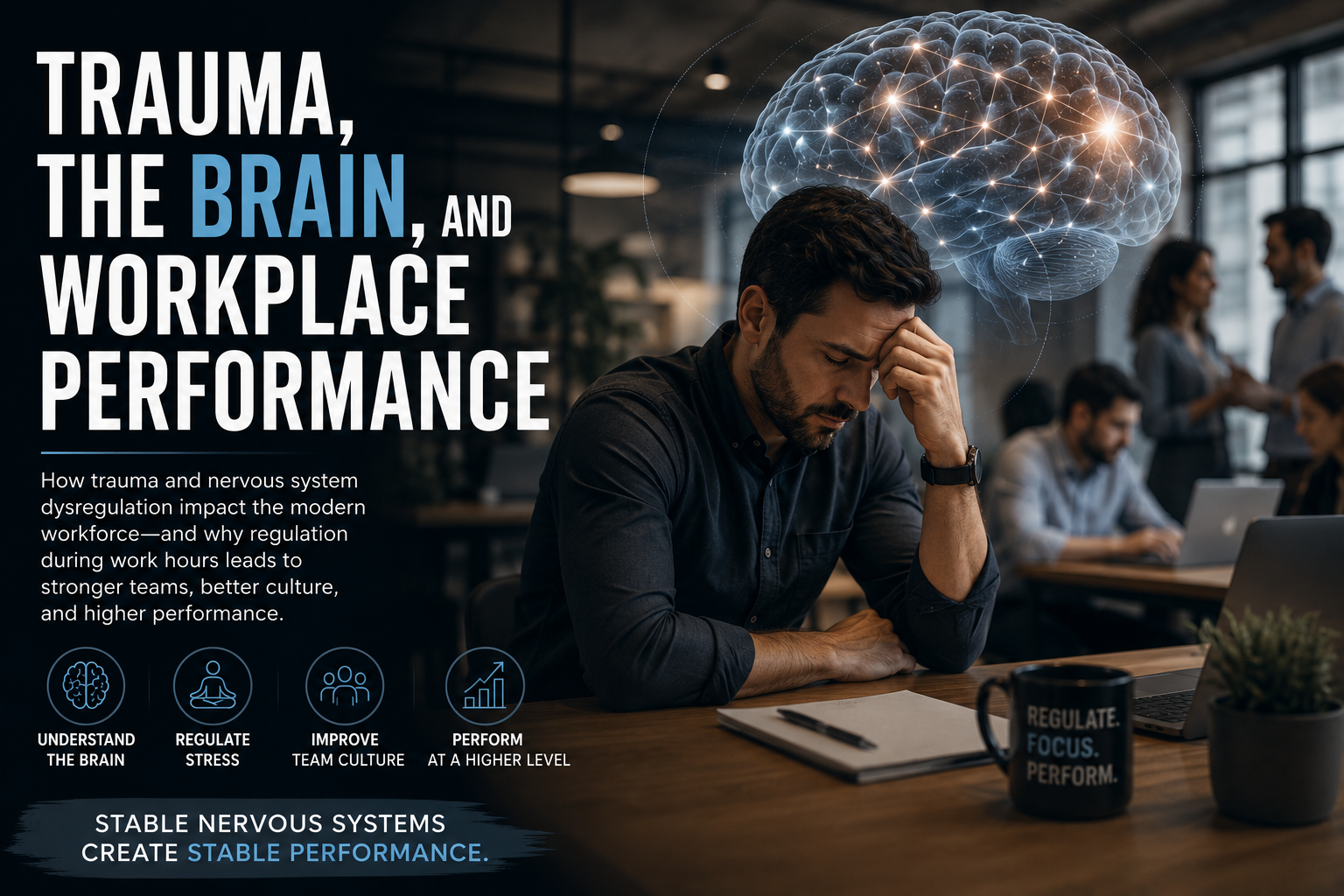
Trauma, the Brain, and Workplace Performance
Why Emotional Regulation May Be One of the Most Overlooked Variables in Modern Work Culture By Matthew F. Stevens For years, workplaces have focused heavily on outcomes. Metrics.Productivity.Attendance.Customer satisfaction.Performance scores.Revenue. But far fewer organizations stop to ask a deeper question: What condition is the nervous system in that is producing these outcomes? The truth is…
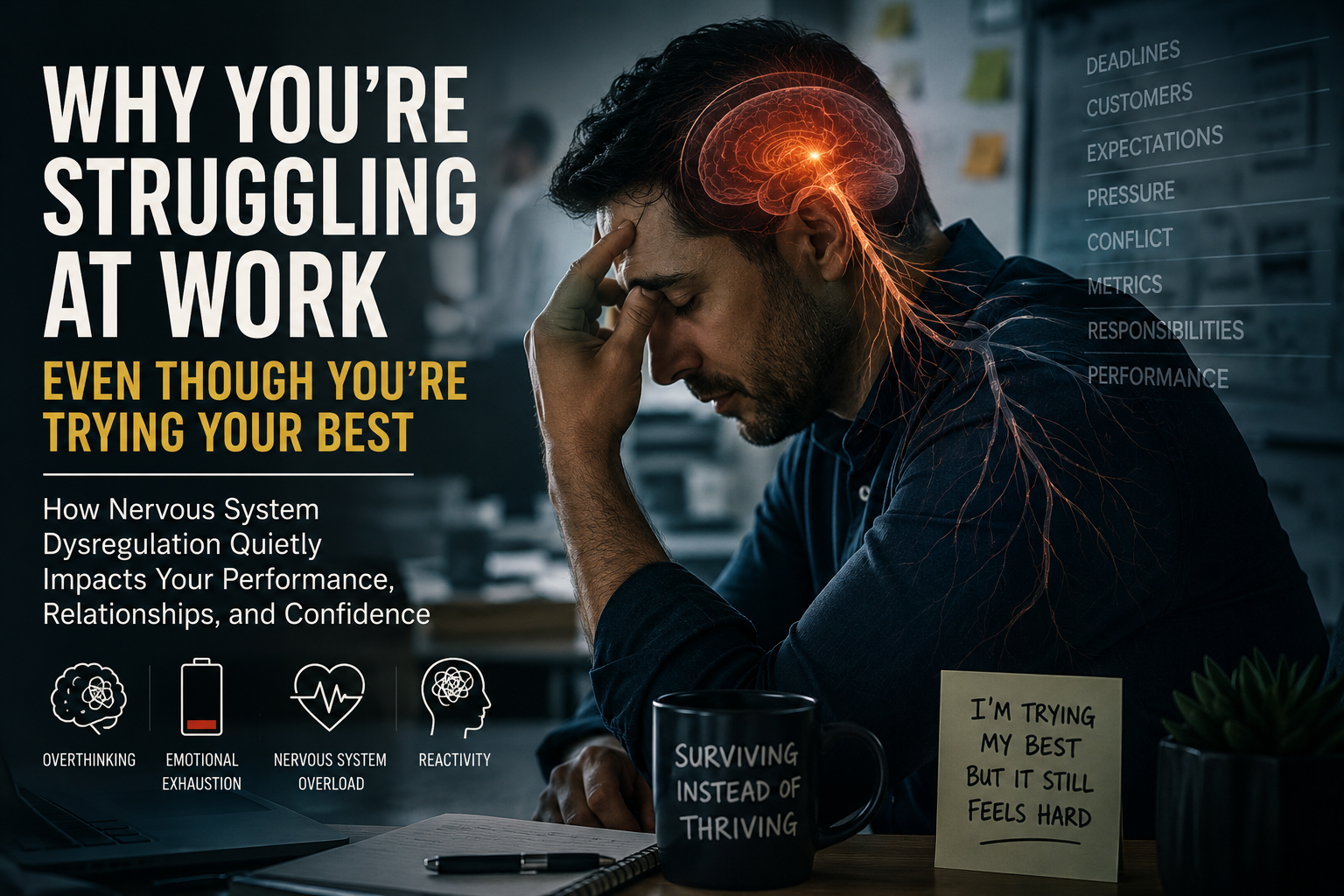
Why You’re Struggling at Work Despite Trying
How Nervous System Dysregulation Quietly Impacts Your Performance, Relationships, and Confidence For years, I believed struggling at work was mostly about discipline. I thought if people simply worked harder, stayed focused, or cared more, they would naturally improve. Then life humbled me. I worked in factories. Medical facilities. High-pressure environments. Places where numbers mattered, emotions…
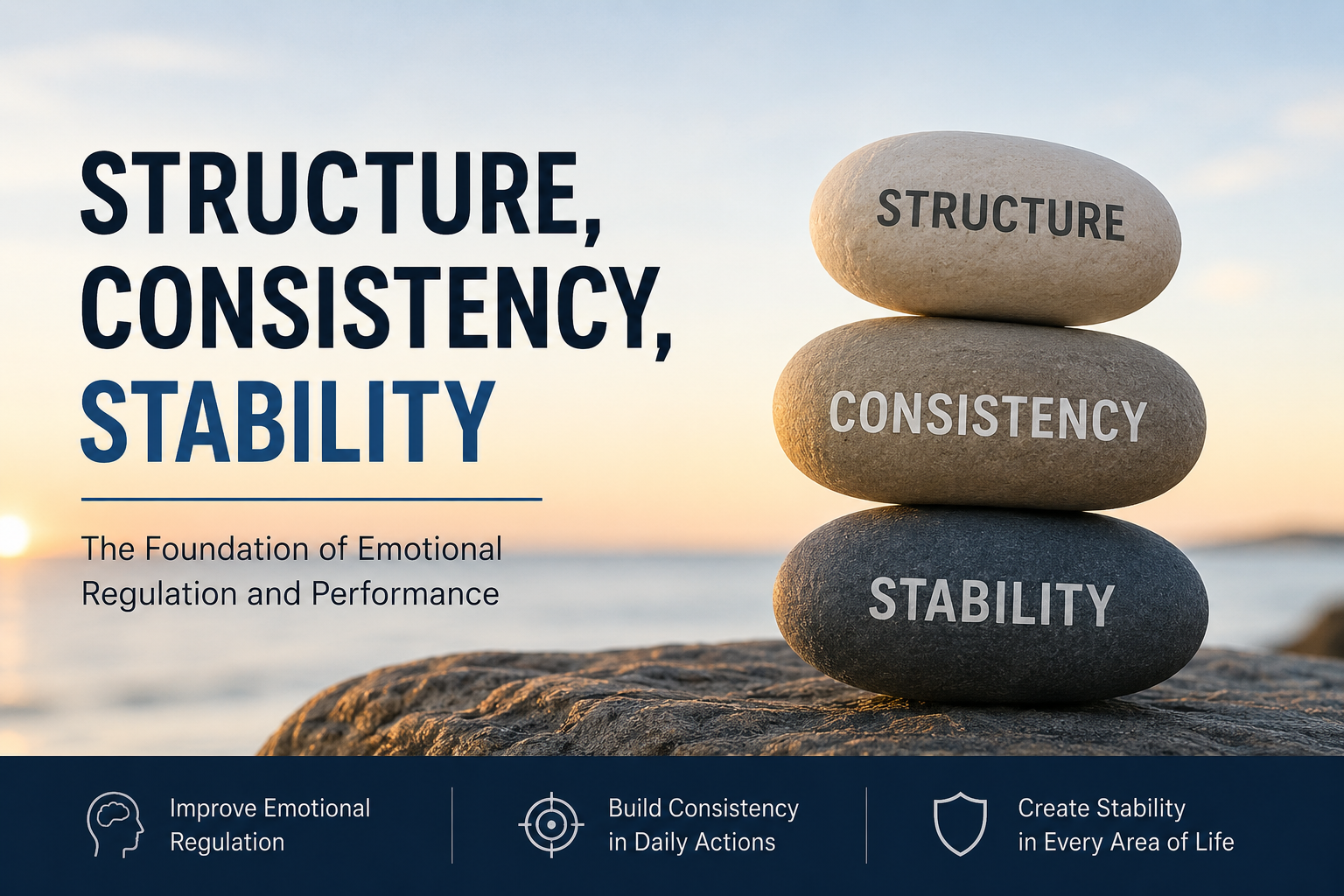
Structure, Consistency, and Stability
In a world obsessed with motivation, productivity, and performance, many people are overlooking the very thing that determines whether long-term growth is sustainable: Stability. Without stability, consistency becomes difficult.Without consistency, structure collapses.And without structure, performance becomes unpredictable. This pattern appears everywhere. It appears in workplaces struggling with burnout and turnover.It appears in relationships overwhelmed by…
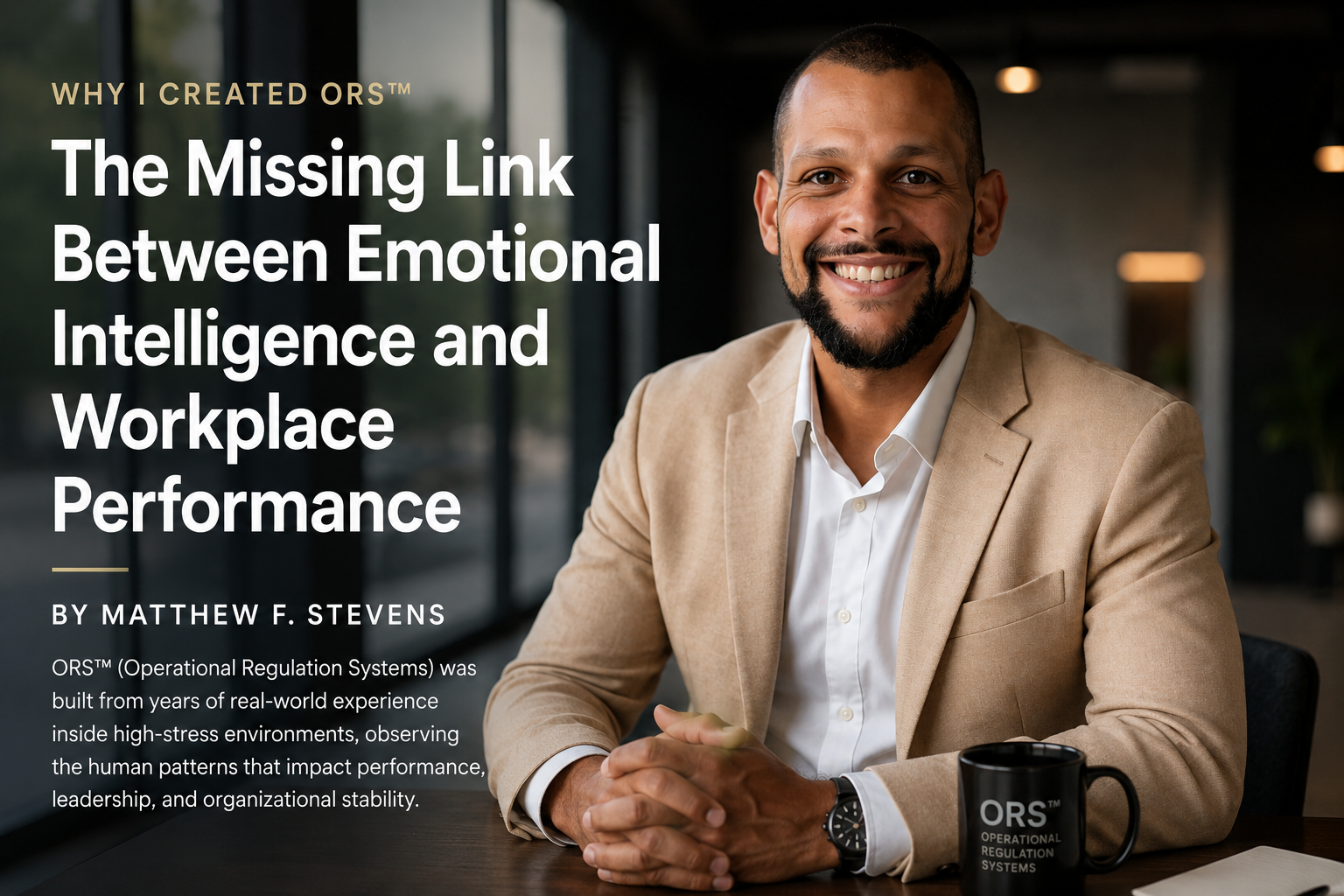
EQ and Workplace Performance
For years, I watched organizations focus on productivity, compliance, engagement, and performance while overlooking one of the most important drivers of human behavior: Emotional intelligence. Not emotional intelligence as a buzzword.Not motivational posters or corporate slogans. Real emotional intelligence. The ability to regulate emotions, recover under pressure, communicate effectively, maintain self-awareness, and make sound decisions…
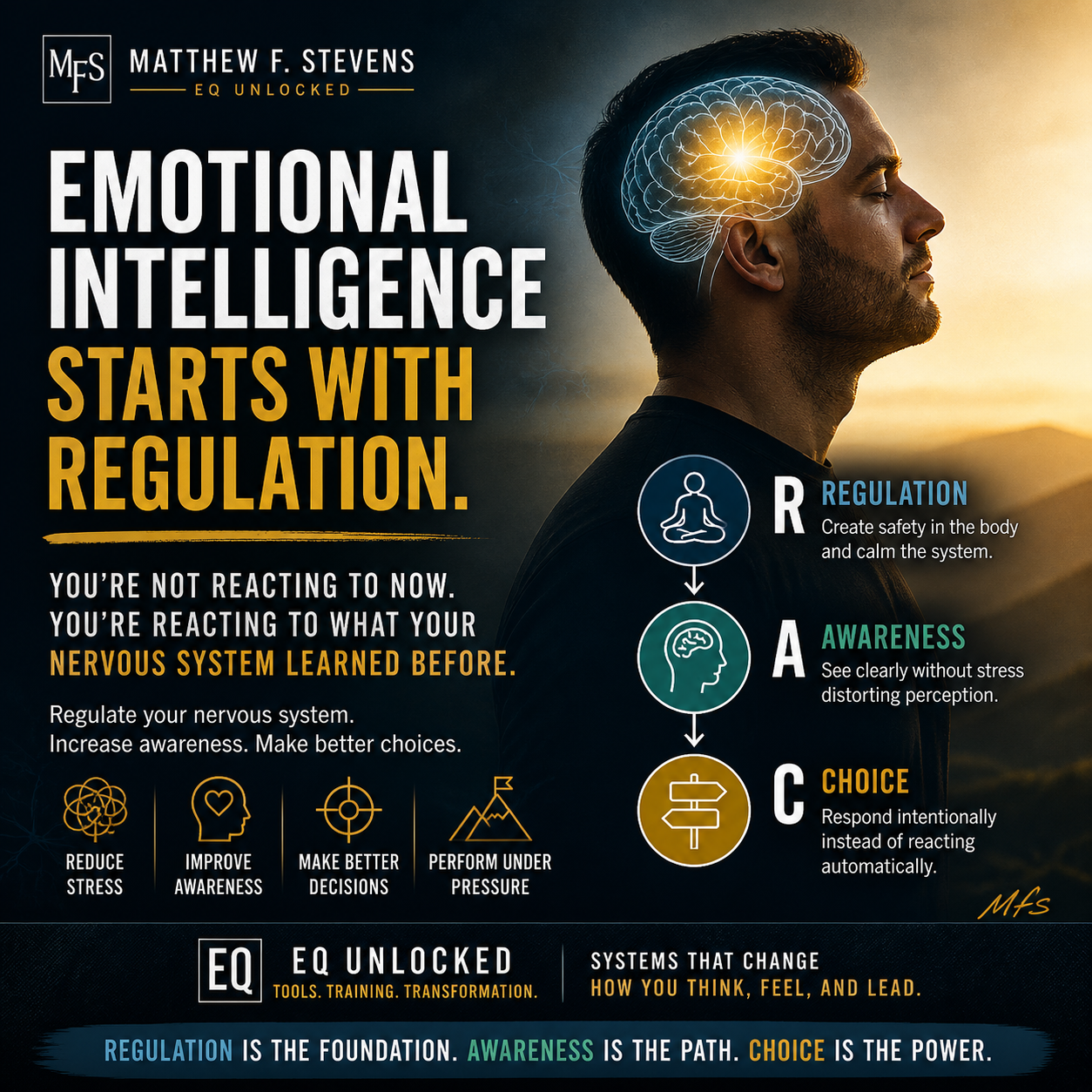
Emotional Intelligence Starts With Regulation
Most people think emotional intelligence is about communication skills, staying calm, or learning how to “manage emotions.” But emotional intelligence begins much deeper than behavior. It begins with regulation. Before someone can communicate clearly, make healthy decisions, or respond intentionally under pressure, their nervous system has to feel safe enough to allow awareness to exist…